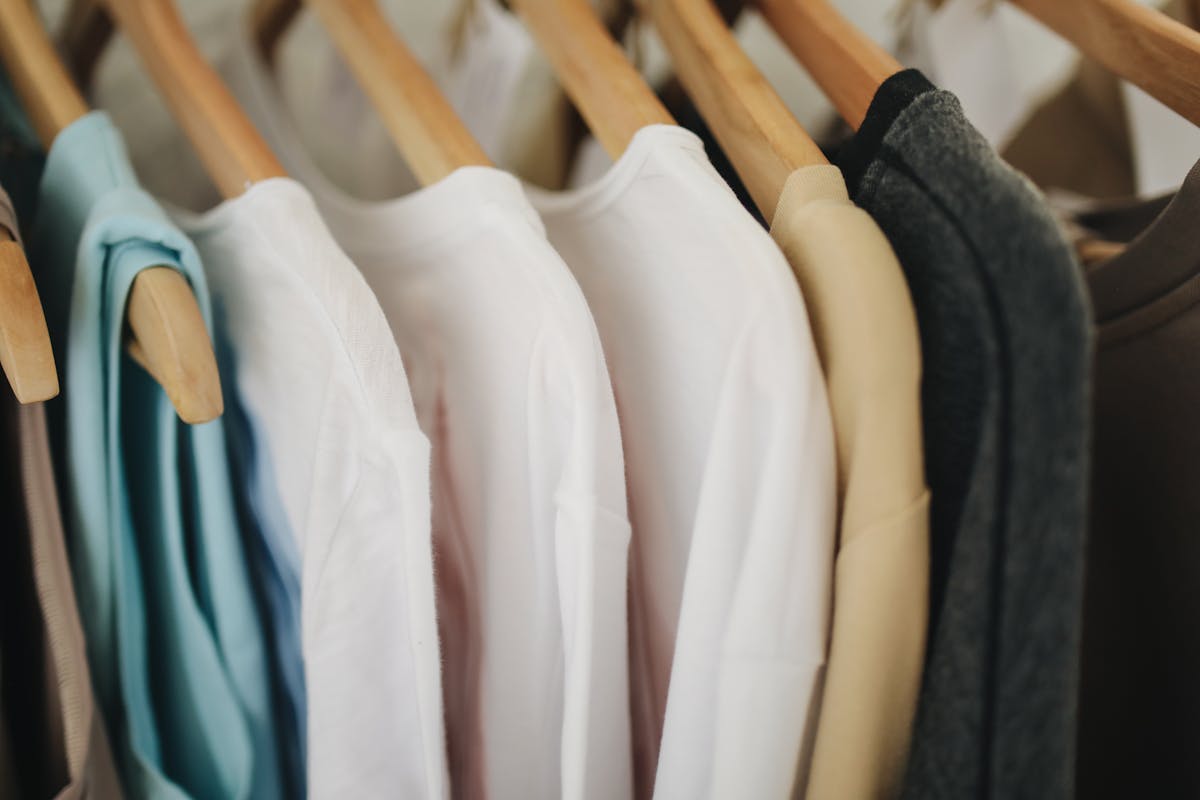
Ghost mannequin photography — also called invisible mannequin or hollow man photography — has been a cornerstone of fashion e-commerce for over a decade. The technique creates the illusion of clothing being worn by an invisible person, giving garments a three-dimensional shape that flat-lay photography cannot achieve. It is particularly effective for structured items like blazers, button-down shirts, outerwear, and dresses with defined silhouettes.
But the traditional process is tedious, expensive, and increasingly being challenged by AI alternatives. Here is a detailed look at both approaches and when each makes sense.
The Traditional Ghost Mannequin Process
Step 1: Mannequin Selection
Professional ghost mannequin photography requires adjustable mannequins with removable parts — arms, neck piece, torso sections, and leg portions can be detached to allow interior photography. Quality adjustable mannequins cost $200-800 each. Most studios maintain multiple sizes (S, M, L, XL) and both male and female forms, representing a $2,000-6,000 equipment investment.
Step 2: Styling and Pinning
Each garment is carefully dressed on the mannequin and pinned to create a flattering fit. This is where skill matters most — an experienced stylist can make a standard-fit shirt look tailored through strategic pinning at the back, sleeve adjustments, and collar positioning. Budget 5-10 minutes per garment for proper styling.
Step 3: Exterior Photography
The garment on the mannequin is photographed from the front, back, and sometimes the side. Lighting must be consistent across all shots — typically a two or three-light softbox setup on a white seamless background. The photographer needs to capture clean edges where the garment meets the mannequin, as these boundary lines determine how clean the final composite looks.
Step 4: Interior Photography
This is the step that makes ghost mannequin unique. The garment is partially removed from the mannequin (or flipped inside out) to photograph the interior — neckline labels, inner collar, interior lining. These interior shots provide the visual information needed to composite the “ghost” effect, showing the inside of the garment where the mannequin would be visible.
Step 5: Post-Production Compositing
In Photoshop, the editor masks out the mannequin from the exterior shots, then composites the interior shots into the gaps. This creates the final “ghost” effect — the garment appears to be worn by nobody, floating in space with its interior visible at the neckline and sleeves. A skilled editor spends 15-30 minutes per garment on this process. Outsourced editing services charge $2-8 per image.
Total Time and Cost (Traditional)
For a 50-piece collection with front and back shots:
- Styling: 8+ hours
- Photography: 6-8 hours (including setup changes)
- Post-production: 25-50 hours
- Total cost: $1,500-4,000 (photographer + editor, or outsourced)
- Timeline: 1-2 weeks
The AI Alternative
AI-powered product photography tools are now offering ghost mannequin-style results through a fundamentally different workflow. Instead of physically dressing a mannequin and compositing images, these tools use generative AI to create the three-dimensional garment presentation from a simple input photo.
How It Works
You upload a flat-lay photograph or even a basic hanger shot of your garment. The AI model analyzes the garment’s shape, fabric texture, and construction details, then generates an image showing the garment as if worn by an invisible form — complete with natural draping, shadow casting, and three-dimensional volume.
For fashion brands looking to improve their search visibility, tools like Autorank can automate SEO content creation — generating optimized blog posts that drive organic traffic to product pages.
More advanced tools like PixelPanda can go beyond the traditional ghost mannequin look and place garments on AI-generated models in various poses and settings, effectively skipping the mannequin step entirely and jumping straight to model photography without the model.
Quality Comparison
In direct comparison tests, AI-generated ghost mannequin images have reached a quality level that satisfies most e-commerce requirements. The areas where AI excels:
- Consistency: Every garment gets identical lighting, positioning, and background treatment automatically
- Speed: Generation takes seconds per image versus 30+ minutes for traditional shoot-and-composite
- No equipment needed: Eliminates the need for mannequins, lighting rigs, and studio space
The areas where traditional still leads:
- Fabric accuracy: Real photography captures exact fabric texture, sheen, and weight. AI occasionally misrepresents material properties, particularly with reflective or textured fabrics like sequins, patent leather, or heavy wool
- Interior detail: Traditional ghost mannequin shows the actual interior of the garment including labels, lining quality, and construction details. AI generates a plausible interior but it is not the real garment
- Complex construction: Garments with unusual construction (asymmetric closures, unconventional draping, architectural shapes) challenge AI models that are trained primarily on conventional silhouettes
Cost Comparison
| Factor | Traditional Ghost Mannequin | AI Alternative |
|---|---|---|
| Per-image cost | $5-15 (amortized) | $0.05-1.00 |
| Setup investment | $2,000-6,000 | $0-5 |
| Time per garment | 30-60 minutes | 30-90 seconds |
| Skill required | High (photography + Photoshop) | Low (upload and select) |
| 50-piece collection | $1,500-4,000 | $50-100 |
The Hybrid Approach
The most practical approach for fashion brands in 2026 is not purely one or the other:
Social media presence is equally important for fashion brands. ShipPost uses AI to craft and schedule social posts that match your brand voice — helping you stay active on Twitter/X without spending hours writing.
- Hero products and signature pieces: Traditional ghost mannequin or model photography. These are your brand-defining items where every detail matters.
- Catalog volume: AI-generated imagery for the bulk of your collection. T-shirts, basics, and standard silhouettes look excellent with AI generation.
- Social and marketing content: AI-generated lifestyle and contextual images. These do not need the precision of catalog shots and benefit from the variety that AI enables at scale.
The Trajectory
Ghost mannequin photography is not disappearing, but its dominance as the default fashion product photography technique is ending. AI alternatives are improving with each model generation, and the economic argument is increasingly difficult to counter. For startups and small brands, the traditional process was always a bottleneck — expensive, time-consuming, and requiring specialized skills. AI removes that bottleneck entirely.
For established brands with existing photography workflows, the transition will be gradual. But the direction is clear: within two to three years, AI-generated product photography will be the default for the majority of fashion e-commerce, with traditional photography reserved for editorial and brand campaign work where absolute precision justifies the cost.