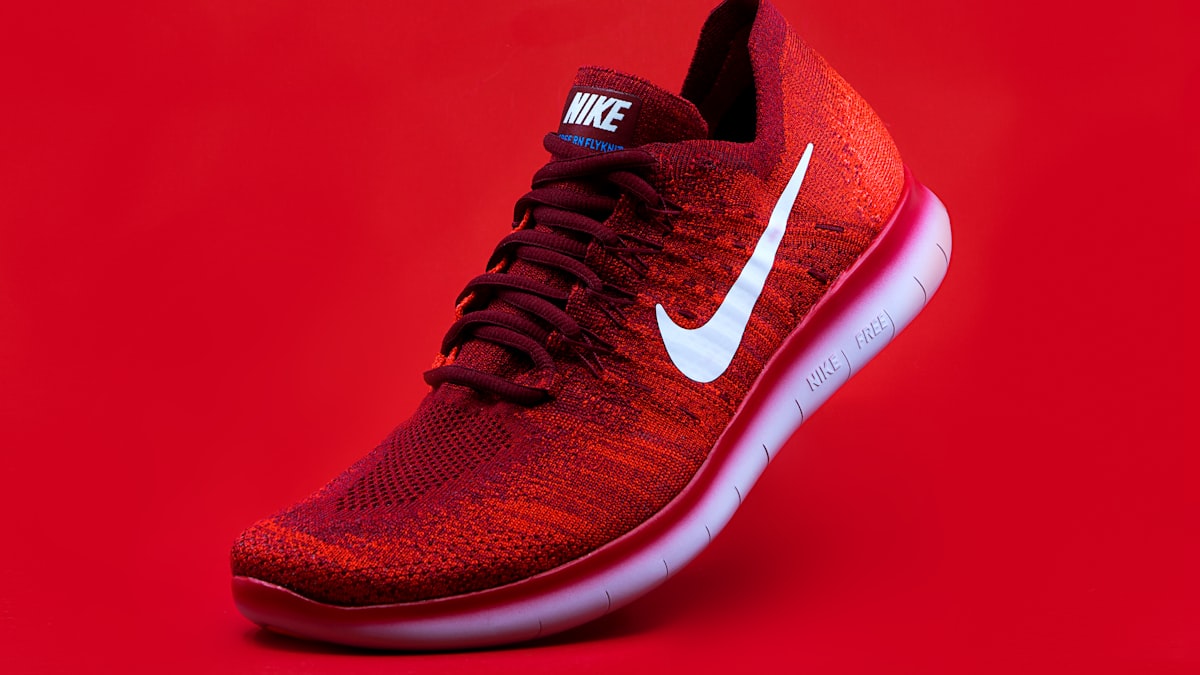
You do not need a professional studio to take product photos that sell. What you need is an understanding of light, a few inexpensive tools, and a systematic approach. This guide covers everything a small fashion brand needs to photograph clothing at home or in a small workspace, plus a look at when AI tools might be the smarter option.
The Foundation: Light Is Everything
Poor lighting is the single biggest reason amateur product photos look amateur. The good news is that great light is free — it comes through your window.
Natural light setup: Find the largest window in your space, ideally one that faces north (in the Northern Hemisphere) for consistent, diffused light throughout the day. Direct sunlight is your enemy — it creates harsh shadows and blown-out highlights that make fabric look flat and textures disappear. If your window gets direct sun, hang a white bedsheet or cheap diffusion panel to soften it.
Position your clothing 2 to 4 feet from the window. The closer to the window, the brighter and more directional the light. The further away, the softer and more even. For most clothing photography, 3 feet is a good starting distance.
Fill light: On the opposite side of the garment from the window, place a white foam board (available at any office supply store for a few dollars). This bounces window light back into the shadow side of the garment, reducing harsh contrast. This single technique — window plus bounce card — will produce cleaner results than most budget artificial lighting setups.
If you must use artificial light: Avoid overhead room lights and on-camera flash at all costs. Instead, invest in two softbox lights ($40 to $80 for a basic set on Amazon). Position one at 45 degrees to the left, one at 45 degrees to the right, both slightly above the product. This creates even illumination without the harsh shadows that make products look cheap.
Background Options
The background sets the tone for your brand. Here are three approaches, from simplest to most polished:
White seamless paper: A roll of white seamless paper (about $15 to $25 for a roll that will last months) taped to a wall and curved down onto a table creates the classic e-commerce white background. The curve eliminates the visible line where wall meets table, creating a clean “infinity” backdrop. This is the standard for Amazon, eBay, and most marketplace listings.
Flat lay surface: For flat lay photography — garments laid out on a surface, shot from above — a clean white sheet on a table works well. Iron the sheet thoroughly; wrinkles in the background are distracting. Some brands use linen or textured surfaces for a more lifestyle feel, which can work well for Instagram but may not meet marketplace requirements.
Hanging/mannequin display: Clothing photographed on a dress form or invisible mannequin (the “ghost mannequin” technique) looks significantly more professional than flat lay for structured garments like blazers, shirts, and dresses. Basic dress forms start around $50 to $80. Shoot the front, back, and any details, then composite in editing if needed.
Camera Setup and Settings
A modern smartphone — iPhone 13 or later, Samsung Galaxy S22 or later, Google Pixel 6 or later — is genuinely sufficient for e-commerce product photography. The computational photography in these devices handles exposure, white balance, and detail rendering at a level that would have required a $2,000 camera body five years ago.
Key settings if using a phone:
- Turn off flash — always
- Use the 1x lens (the main camera), not ultrawide or telephoto
- Tap the garment to set focus, then hold and adjust exposure if the image looks too bright or dark
- Use a timer or remote shutter to avoid camera shake
- Shoot in the highest resolution available
- If your phone offers a “ProRAW” or manual mode, use it for more editing flexibility
If using a DSLR or mirrorless camera:
- Aperture: f/8 to f/11 for full-garment shots (ensures everything is in focus)
- ISO: As low as possible (100-400) to minimize grain
- White balance: Set manually to match your light source, or shoot in RAW and adjust in post
- Tripod: Essential for consistency across multiple products
Shooting Angles and Composition
Consistency across your product catalog matters more than any individual shot being perfect. Establish a set of standard angles and use them for every product:
The essential shots:
- Front-on: The hero image. Straight-on, centered, with the full garment visible
- Back: Same angle, reverse side
- Detail close-ups: Fabric texture, stitching, labels, zippers, buttons — whatever makes the product feel real and high quality
- 45-degree angle: A three-quarter view that adds dimension
- Lifestyle/context: If possible, at least one shot showing the item in use or styled with other pieces
For consistent framing, mark your tripod position and the product position with tape on the floor. This speeds up shooting dramatically when photographing multiple items and ensures your product grid looks uniform on your website.
Post-Processing Basics
Even great raw photos need some editing. Keep it simple and consistent:
Free tools: GIMP (desktop) or Snapseed (mobile) handle basic adjustments well. For background removal specifically, tools like PixelPanda’s free background remover can cleanly isolate products from their backgrounds without manual selection.
Essential edits:
- White balance correction: Ensure whites are truly white, not yellow or blue-tinted
- Exposure adjustment: Bright enough to see detail, not so bright that highlights are blown
- Background cleanup: Remove any visible imperfections in your backdrop
- Crop and alignment: Center the product, maintain consistent margins
- Color accuracy: This is critical for fashion — the blue your customer sees should match the blue they receive. Shoot a color reference card with your first batch and calibrate against it
When AI Tools Make More Sense
DIY product photography works well when you have a manageable catalog and the time to invest in the process. But there are situations where AI tools are the more practical choice:
Volume: If you are adding 50+ new products per month, the time investment in DIY photography — setup, shooting, editing, background removal, formatting for each platform — becomes a serious operational bottleneck. AI tools can turn a single raw product shot into multiple finished images in minutes.
Lifestyle imagery: Creating authentic lifestyle photography — products in real-world settings, on models, in seasonal contexts — is expensive and logistically complex. AI scene generation can produce this type of imagery from a basic product photo, at a fraction of the cost.
Multi-platform content: Each sales channel has different image requirements and different aesthetics that perform best. Manually creating and formatting images for your website, Amazon, Instagram, Pinterest, Facebook Marketplace, and TikTok Shop is tedious. AI platforms can generate platform-specific versions from a single source image.
A/B testing: Testing different product imagery to see what converts best requires having multiple image options. AI makes it economically viable to generate five or ten variations and let data determine the winner, rather than committing to a single shot and hoping it performs.
The Practical Recommendation
Start with DIY. Invest a weekend in setting up a basic shooting station, photographing your top-selling products with the techniques above, and learning the editing basics. This builds an understanding of what makes a good product image that will serve you regardless of what tools you use.
Then, once you understand the fundamentals, evaluate whether AI tools can handle part or all of your workflow more efficiently. For most growing fashion brands, the sweet spot is a hybrid approach: DIY photography for hero content and editorial shots, AI tools for marketplace listings, social content, and the endless variations that modern e-commerce demands.
The brands that struggle are the ones at either extreme — those who refuse to consider AI tools and drown in manual production work, and those who outsource everything to AI without understanding what a good product image looks like in the first place.
Related Reading
- Product Photography for Supplements: The Complete Guide — The same product photography principles apply across industries. This guide from Plant Pure Jumpstart covers techniques for photographing health and wellness products that translate well to fashion accessories and beauty items.